Laundry & Household Systems · Fall Reset
How to Prep Your Linen Closet for Fall
Rotate, refresh, reset — the shelf-by-shelf system.
Read the post →
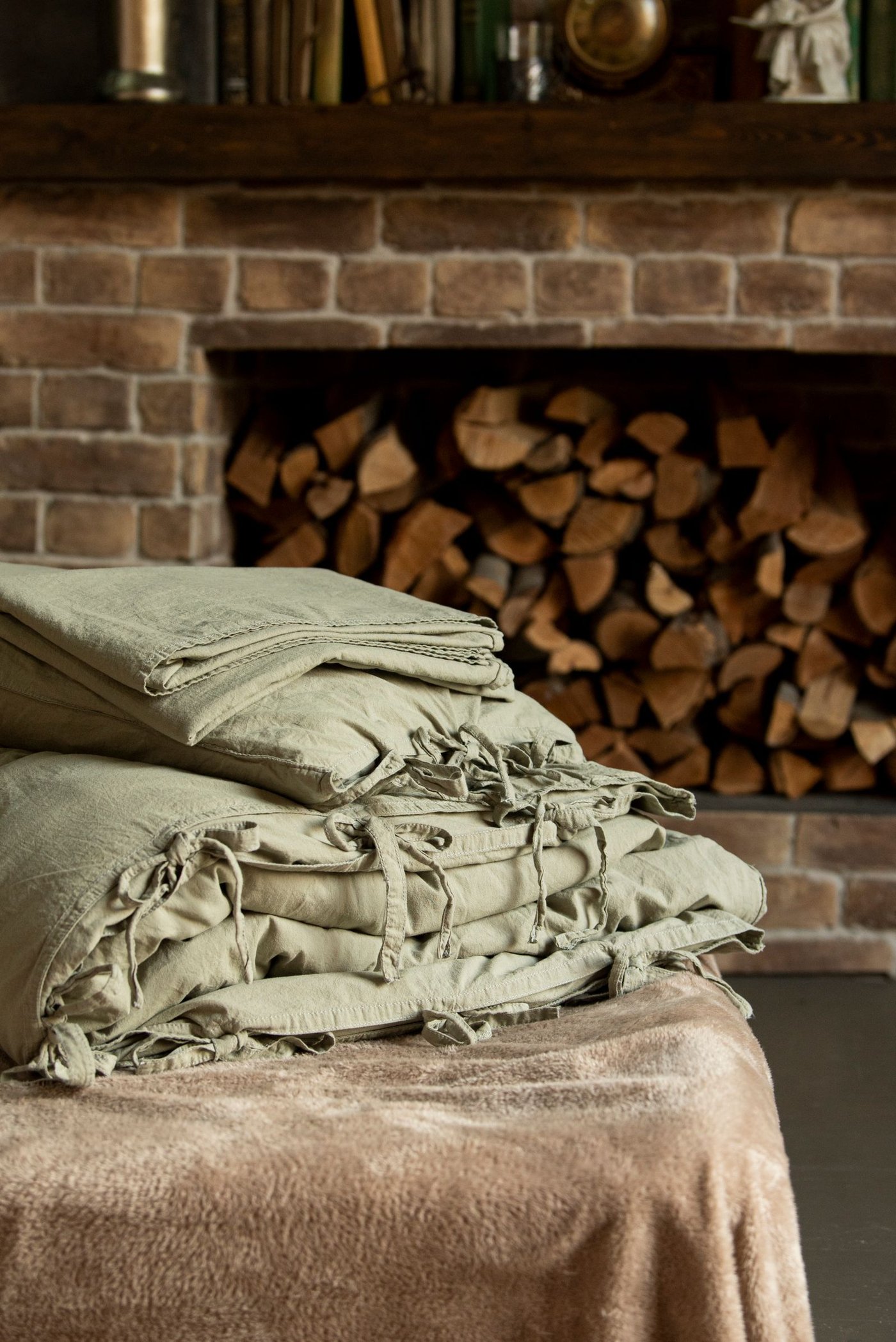
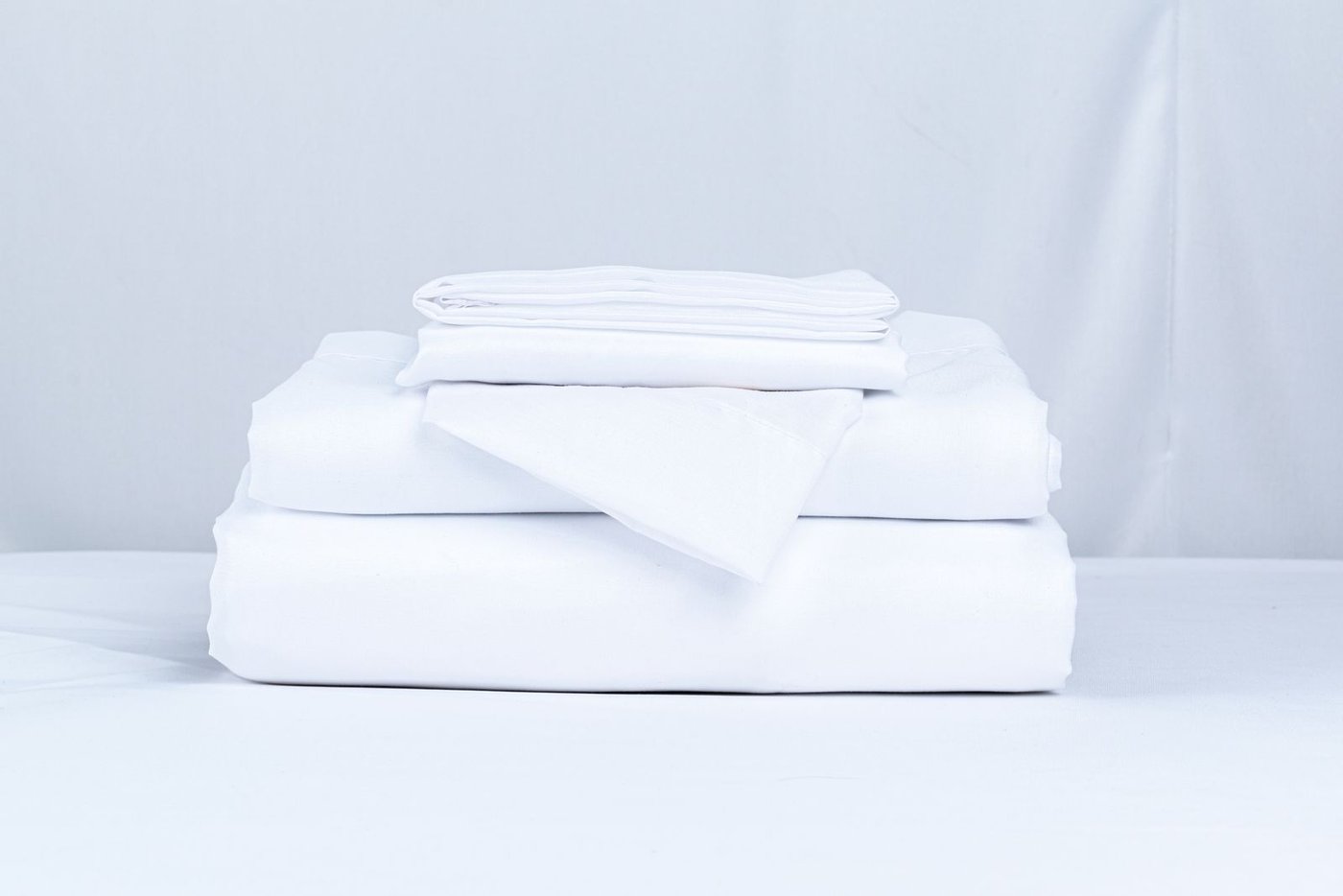
Sheets and towels wear out slowly enough that it's easy to keep using them well past their best years — a little thinner, a little less absorbent, without any single moment where it feels worth replacing them. Fall is a natural checkpoint for this: bedding comes back into heavier daily use, which makes it the right time to actually look, rather than just rotate the same tired sets back to the front of the shelf.
This isn't the same as a shelf reorganization — it's a quick lifecycle check, focused on deciding what's actually still doing its job and what's ready to be replaced.
About twenty minutes, a donation bag for anything still usable but not for your household, and a trash bag for anything that's genuinely done.
| Sign | What it usually means |
|---|---|
| Thin spots when held to light | Sheet fabric is breaking down |
| Reduced absorbency | Towel is past its useful life |
| Loose fitted-sheet elastic | Won't stay on the mattress reliably |
| Persistent odor after washing | Fabric may be holding onto moisture too long |
Skip replacing an entire linen collection at once if budget is a concern — a rolling, one-set-at-a-time approach works just as well over a season or two. Skip keeping a "just in case" set that's already visibly thinning; it's rarely the set you'll actually want to reach for.
How often should sheets actually be replaced?
Most cotton sheets hold up well for one to two years of regular use before thinning becomes noticeable — higher-quality fabric can last longer with proper care.
How long do bath towels typically last?
Around two years of regular use is common before absorbency noticeably drops, though frequency of washing and drying method both affect this.
What's the best way to extend the life of linens?
Washing in cooler water and avoiding high heat on the dryer both slow fabric breakdown — high heat is one of the fastest ways to wear out elastic and fibers.
What should I do with linens that are worn but not trash-worthy?
Many animal shelters accept old towels and blankets for bedding, even ones no longer suitable for a guest room.
Want the full closet system to go with this? How to Prep Your Linen Closet for Fall covers the shelf-by-shelf setup.
Read the Linen Closet GuideA linen refresh isn't about buying more — it's about noticing what's quietly stopped doing its job. Rotate everything out, check with intention, and replace only what's actually earned it.
Rotate, refresh, reset — the shelf-by-shelf system.
Read the post →Vertical space, back-of-door racks, and a system that stays sorted.
Read the post →