Home Management & Family Systems · Holiday Hosting
The Simple Meal Planning System for Busy Weeks
One page, ten minutes, dinner decided for the week.
Read the post →
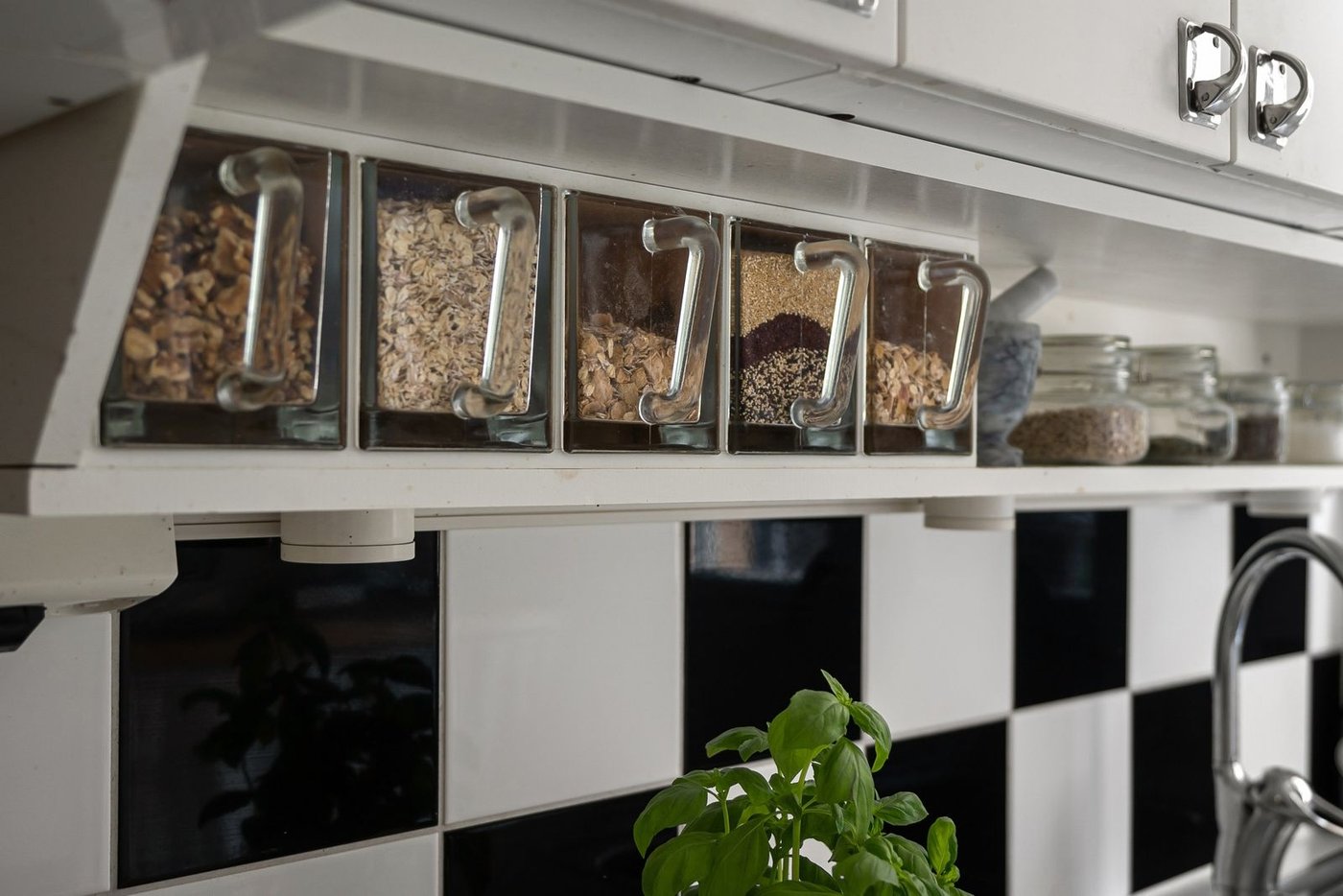
The big holiday meal doesn't have to be cooked entirely on the day itself. Spreading the work across the days leading up to it — a system, not a single marathon session — means the actual day is about finishing and serving, not starting from zero under pressure.
Your full menu written out, a few days of lead time, and enough fridge and freezer space cleared for make-ahead components.
| Timeline | What happens |
|---|---|
| 3-4 days out | Fully make-ahead dishes |
| The day before | Chopping, prep, marinades |
| The day of | Final cooking, working from a written timeline |
Skip trying to make everything ahead — some dishes genuinely need to be finished fresh, and forcing them into a make-ahead plan can hurt quality. Skip an overly detailed minute-by-minute schedule; a rough timeline with built-in buffer is more realistic than a rigid one.
Which dishes make ahead best?
Many casseroles, some soups, and most desserts hold up well made a day or two ahead — proteins and anything meant to be crisp usually do better finished close to serving time.
How do I know how much buffer time to build in?
15-30 minutes before your intended serving time gives enough cushion for small delays without the meal sitting and getting cold.
What if I run out of time to prep everything ahead?
Prioritize whatever takes longest to cook on the day itself — anything quick can still be handled fresh without disrupting the schedule.
Want the pantry system to go with this? See Pantry Holiday Prep.
Read the Pantry Prep GuideThe busiest cooking day of the year doesn't have to feel like a marathon. Spread the work across a few days, write the timeline, and the day itself becomes about finishing, not starting from scratch.
One page, ten minutes, dinner decided for the week.
Read the post →Zones that make sense mid-cook.
Read the post →