Home Management & Family Systems · Minimalism

A Simple Meal Planning System for Busy February Weeks

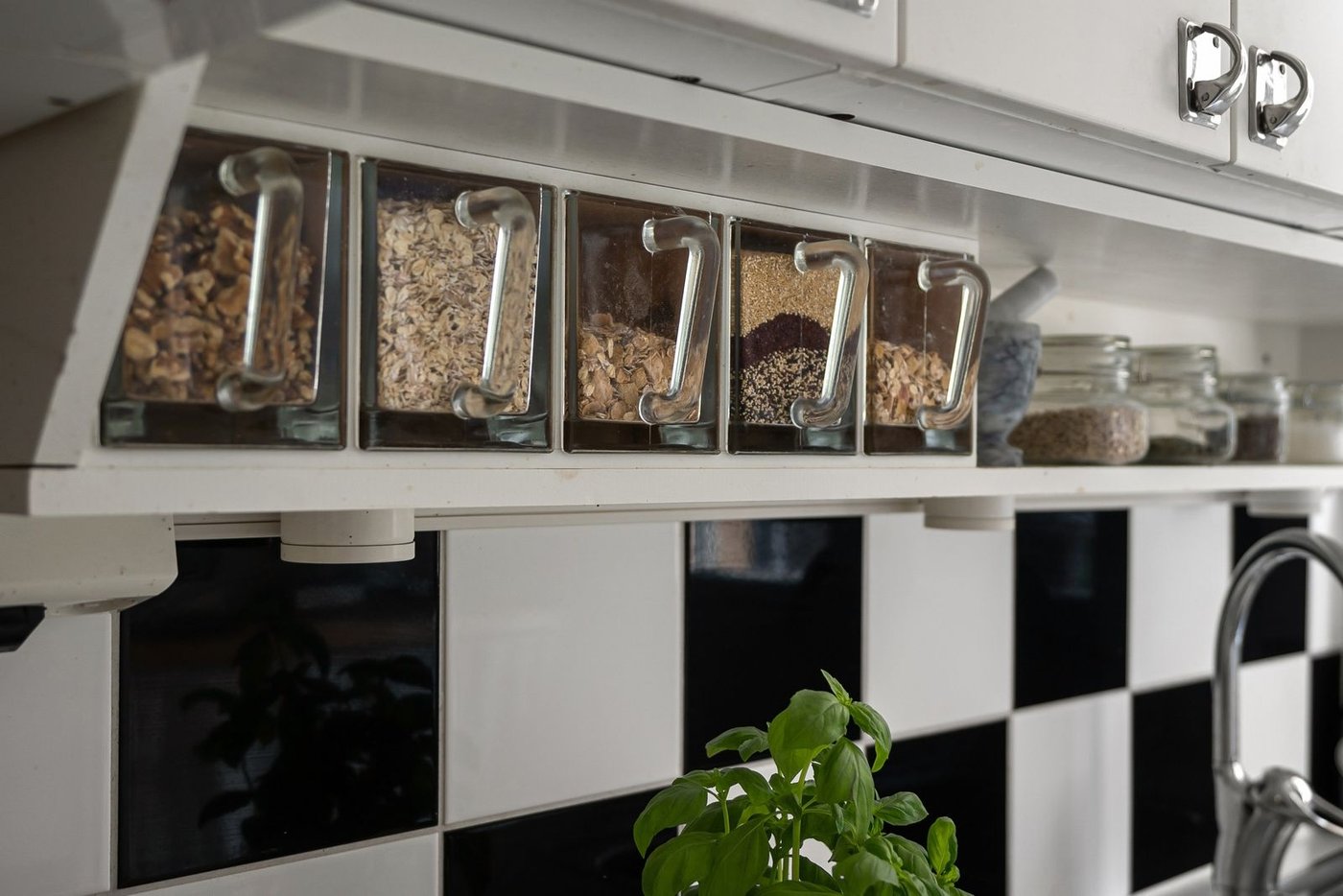
A calm kitchen counter with simple meal planning containers, ready for a busy February week.

February rarely feels like a slow month, even though the excitement of January's fresh start has usually faded by now. Shorter days, ongoing routines, and the general mid-winter slog make "what's for dinner" one more decision most people have less energy for than usual. This isn't a system built around new recipes every night — it's a repeatable weekly template designed to remove the decision fatigue, not add to it.

Why this works: the mental effort of meal planning usually isn't the cooking — it's the deciding. A repeatable weekly structure removes most of that decision-making in advance, so cooking becomes the only thing left to actually do.

What you'll need

A simple weekly template (paper or digital), fifteen minutes once a week to fill it in, and a short list of five or six reliable meals your household already likes.

The weekly template

  1. Pick a "theme" for each night rather than a specific recipe. Pasta night, sheet-pan night, soup night, leftovers night — themes are far easier to plan around than trying to invent seven distinct meals each week.
  2. Build a rotating list of five or six meals per theme. You don't need new ideas weekly — rotating through a known, reliable set removes the hardest part of planning: deciding what to actually make.
  3. Plan the busiest night first. Identify whichever evening is most likely to be short on time or energy, and assign it the simplest meal in your rotation — the plan should work around your real week, not an idealized one.
  4. Do a single grocery list from the whole week at once. Planning all seven days before shopping avoids the multiple, less efficient store trips that come from deciding meal by meal.
  5. Build in one flexible night. A night with no fixed plan — leftovers, a pantry-clearing meal, or takeout — absorbs the inevitable week that doesn't go exactly as planned.
  6. Post the plan somewhere visible. A plan that only exists in your head or a note you don't reopen doesn't actually reduce nightly decision-making — it needs to be somewhere the whole household can see it.
A calm desk setup for weekly meal planning, part of a simple system for busy February weeks.
Fifteen minutes once a week, filling in a repeatable template, replaces seven separate daily decisions.
NightTheme
MondayPasta or grain bowl
TuesdaySheet-pan or one-pan meal
WednesdaySoup or stew
ThursdayLeftovers
FridayFlexible — takeout or pantry-clearing

Quick wins if you're starting mid-week

  • Just plan the next three days rather than the full week.
  • Pick your busiest remaining night and assign it the simplest meal you know.
  • Write the plan somewhere visible, even if it's just a sticky note on the fridge.

How to adjust this for your household

  • Living alone or as a couple: a shorter rotation of three or four themes may cover the week just as well, with less need for a rigid structure.
  • With kids at home: keep at least two or three "known safe" meals in steady rotation — a full week of new or adventurous meals tends to create more resistance at the table, not less.
  • Different dietary needs in one household: build the base theme around what's shared, and treat individual modifications as a small addition to the base meal rather than planning entirely separate dinners.
  • Very tight budgets: anchor the rotation around what's reliably on sale or in season, and treat the "flexible" night as a genuine pantry-clearing meal rather than a takeout night.

Why meal planning systems fall apart by week three

  • Every week tried to be entirely new. Reinventing the plan from scratch each week is exhausting — a repeatable rotation removes that burden almost entirely.
  • There was no flexible night built in. A plan with zero room for a bad day collapses the first time life doesn't cooperate — one flexible slot absorbs that without derailing the rest of the week.
  • The plan lived somewhere no one else could see it. A meal plan only one person can access tends to generate the same "what's for dinner" questions it was meant to eliminate.

Why themes work better than a strict weekly menu

A common early mistake is planning specific recipes for every night weeks in advance, only to abandon the plan the first time a Tuesday doesn't go as expected. Themes solve this by staying flexible at the level that actually matters. "Pasta night" can mean whatever pasta dish sounds doable that particular Monday — what stays fixed is the category, not the exact recipe. This small shift is what makes a plan survive contact with a real week, rather than requiring everything to go exactly right for it to hold up.

What to skip

Skip trying to plan elaborate, Pinterest-worthy meals every night — that's a recipe for abandoning the system within two weeks. Skip shopping meal by meal through the week; one consolidated list saves real time and money over several smaller trips.

Frequently asked questions

How far in advance should I plan?
One week at a time works well for most households — far enough ahead to shop efficiently, not so far that plans become unrealistic by the time they arrive.

What if my family gets tired of the same rotation?
Swap in one new meal every few weeks rather than reinventing the whole rotation — a slowly evolving list stays fresh without losing the ease of a repeatable system.

Do I need a special app or planner for this?
No — a simple printed template, a whiteboard, or even a repeating note works fine. The system matters more than the tool it's built in.

How do I handle nights when the plan just doesn't happen?
That's exactly what the flexible night is for — if a planned night falls through, shift to the flexible slot rather than treating the whole week's plan as failed.

Should the grocery list be built from the plan, or the plan from what's on sale?
Either direction works — build the list from your planned themes for consistency, or let a few sale items shape that week's specific meals within each theme for flexibility and savings.

Is it worth batch-cooking as part of this system?
It pairs well but isn't required — a leftovers night already built into the rotation captures most of batch cooking's benefit without needing a separate dedicated prep day.

Want a full weekly household system to go with this? See The Weekly Cleaning Schedule You Can Actually Stick To.

Read the Weekly Schedule Guide

A meal plan that survives a real February week isn't the most creative one — it's the one that removes the nightly decision entirely. Build the rotation once, and let the template do the deciding from here.

Keep reading

You might also like

Home Management & Family Systems · January Reset

How to Build a Home Management Binder

Five sections, assembled in one sitting.

Read the post →

Home Organization by Room

Pantry Organization on a Budget

A room-by-shelf pantry plan using mostly what you already own.

Read the post →