Home Management & Family Systems
The Back-to-School Home Reset
A gentle system for calmer school-week transitions.
Read the post →
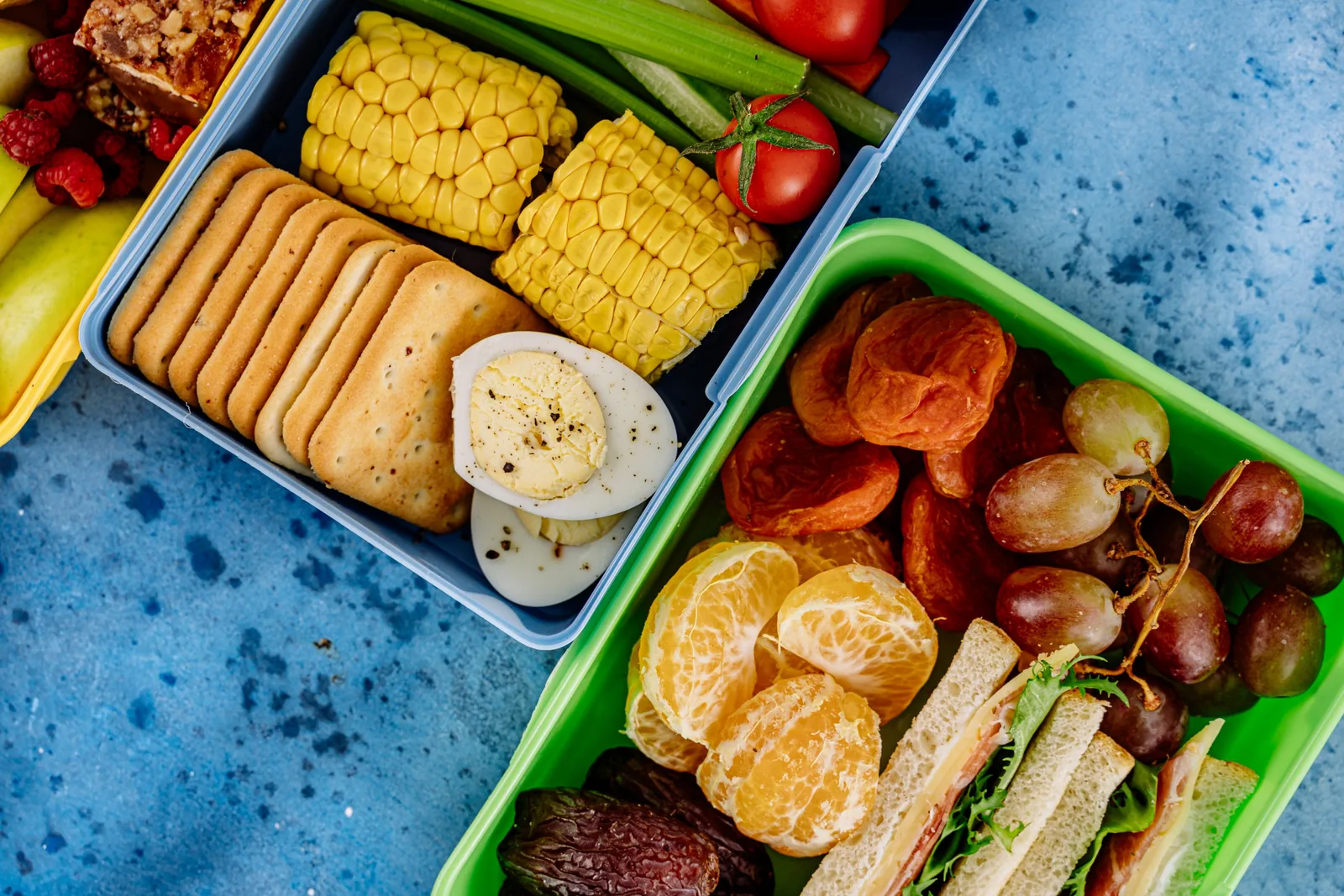
There is a very specific kind of kitchen mess that appears between the school bell and dinner: half-empty lunch boxes, water bottles on the counter, snack wrappers, papers that came out of backpacks, and someone asking what there is to eat while you are already thinking about dinner.
The answer is not a bigger cleaning routine. It is a short handoff between the school day and the evening. This after school kitchen routine takes about ten minutes and gives every recurring piece of the afternoon mess a next step.
If lunch boxes stay zipped until bedtime, tomorrow starts with yesterday's mess. If snacks spread across the whole kitchen, the counters are already busy before dinner prep begins. And if school papers land beside the fruit bowl, they quickly become part of the background.
A ten-minute reset works because it happens at the transition point. Instead of cleaning the consequences later, you give the things arriving home a predictable route as soon as they enter the kitchen.
| Minute | Reset | Result |
|---|---|---|
| 0–2 | Empty lunch boxes | Food and containers handled immediately |
| 2–4 | Load sink or dishwasher | No lunch dishes waiting for dinner |
| 4–6 | Set out one snack zone | Less grazing and counter clutter |
| 6–8 | Clear papers and bags | Kitchen stays a kitchen |
| 8–10 | Wipe one prep surface | Dinner starts with a clear counter |
The easiest after-school snack system is one children can understand without asking you to inventory the pantry every afternoon. Keep a small number of everyday choices together rather than spreading them across multiple shelves.
If younger children need limits, make the boundary visible: one pantry choice plus one fridge choice, for example. The system should reduce decisions, not create a new set of complicated rules.
Give each child one repeatable responsibility instead of announcing that everyone needs to “help clean the kitchen.” A specific job is easier to remember and easier to check.
For younger children, start with just one action. Consistency matters more than getting the full routine delegated immediately.
Trying to clean the whole kitchen. If the routine becomes sweeping, mopping, reorganizing the pantry, and unloading every cupboard, it will not stay a ten-minute routine. Keep the finish line narrow.
No home for papers. “Take this out of the kitchen” only works if papers have somewhere specific to go. A single inbox is enough.
Too many snack choices. A beautiful snack station that needs constant restocking becomes another job. Keep the active selection small and refill it during a weekly reset.
Doing everything for everyone. The system gets easier when the person carrying the lunch box through the door also participates in emptying it.
Should the kitchen reset happen immediately after school?
Ideally, yes, but it does not need to begin the second everyone walks through the door. Give kids time to wash hands and settle, then do the reset before snack debris and dinner prep overlap.
What if afternoons are already packed with activities?
Use a three-minute version: empty lunch boxes, handle containers, return ice packs. That protects tomorrow morning. Do the counter portion later.
Do I need special organizers?
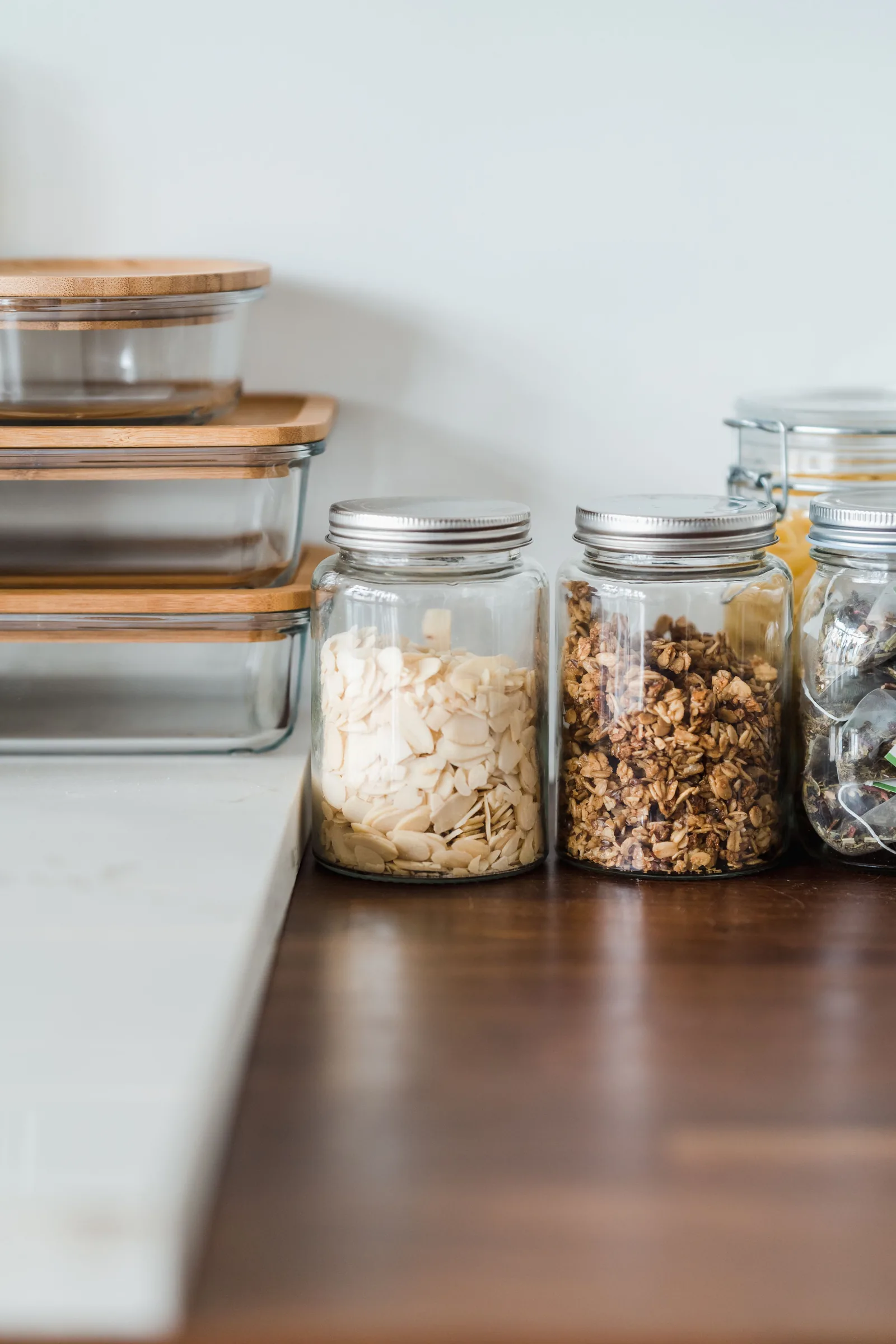
No. A reused basket for snacks and one tray for papers are enough. Build the habit first; buy containers only if the system proves it needs them.
How does this connect to the rest of the school routine?
It closes the loop started by your backpack and school supplies drop zone . Bags, lunch gear, and papers all get processed before they can become tomorrow morning's problem. For the bigger picture, use the Back-to-School Home Reset .
Build the school-year routine one small system at a time:
Want a simple weekly rhythm around the school-day resets? Use the free Weekly Cleaning Schedule as your home base.
Get the Free Weekly ChecklistA calmer evening does not require a spotless kitchen at 4 p.m. Empty the lunch boxes, contain the snacks, move the school clutter, and clear one counter. Ten minutes is enough to give dinner a clean starting line.
A gentle system for calmer school-week transitions.
Read the post →Give backpacks, shoes, and school supplies a landing place that stays tidy.
Read the post →